 Skip to content
How Brands Turn Patches Into Collectible Merchandise?
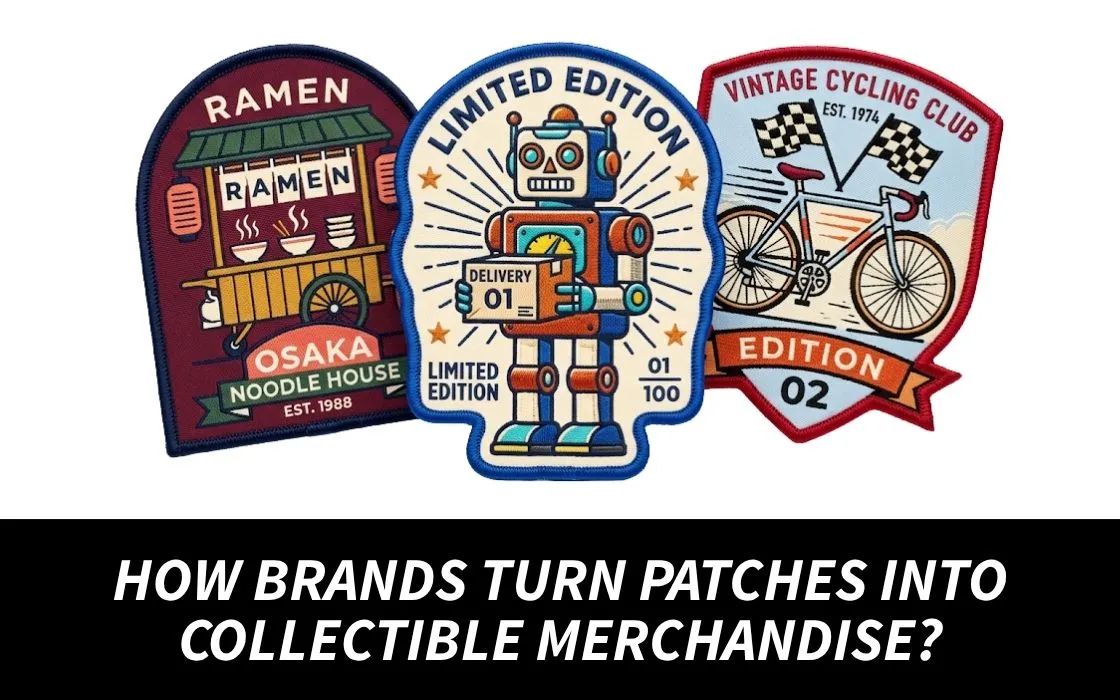
The patch could be a little piece of branded merchandise, but through the right design approach, it could turn into something people actually want to collect, trade, display, and hunt.
This change occurs when the brand moves from thinking about each patch as a single product to creating a collectible collection around the patch.
Rather than thinking about what logo to put on their patch, brands can ask themselves, “What will make people want the next patch after they get this one?”

Why Do People Collect Custom Embroidered Patches?
Custom patches aren’t usually collected because there is just some space on the jacket or bag that needs another decoration.
Patches are collected because each of them may stand for something particular, be it a place visited, event participated in, hobby shared, badge earned or memory cherished.
Here we have a good real-life example: Scouting America says that patch collecting enables collectors to “swap, display, and organize patches,” and its online store offers accessories that correspond with those actions.
This way brands get a great chance.
Someone buys one patch because he likes it, while the second one will be bought as a part of the series.
The First Trick: Build a Series Instead of One Design
One of the simplest ways of developing the concept of collecting behavior would be by creating a connection between the individual patches.
These would include such things as:
- Six signature drinks
- Six cities that they operate in
- Six flavors depending on the season
- Six illustrated coffee characters
- Six moments in the history of the company
While each patch can exist alone, the collection itself gives a better motive for keeping an eye out for more.
This is seen throughout all existing collecting categories, where people tend to group items according to theme, location, event, or variation instead of collecting random objects.
What is essential is to ensure consistency while not making each patch exactly alike.
Border, style of illustration, colors, numbering, or even recurring symbols may tie the collection together while giving each issue its own identity.
Limited Releases Give Customers a Reason to Act
A limited drop provides a defined incentive to buy right away instead of waiting.
The following would be one potential set of drops:
Drop 01 → Summer release
Drop 02 → Halloween
Drop 03 → Anniversary
Drop 04 → Collaboration
This works especially well if the brand does not try to make all of its generic merchandise appear artificially scarce.
This is a real practice employed by existing brands in collectibles.
Number the Patches and Give Each One a Place
The use of a digit can alter a customer’s attitude towards a patch.
Instead of calling it something like “Mountains Patch,” a company should prefer something like followings:
01 – The first summit
02 – The way through the forest
03 – The night camp
04 – The final path
This way, a customer will realize that these drawings belong to a bigger story.
The number also reveals the gap.
The person with patches 01, 02 and 04 will notice that patch 03 is missing.
That tiny design decision can turn one-time purchases into the journey that lasts longer.
Tell a Story Behind Each Release
Custom patches can be designed by a travel brand for real places, while a music brand can focus its efforts on making patches connected to particular albums or tours.
Similarly, food brands can create custom embroidered patches for different signature products while outdoor brands could center their collections only around specific trails, mountains, campsites, etc.
Hence, patches are visual representations of the story of a brand.
This makes a difference for a customer because it means that customers can buy many simple logos, yet a patch connected to a particular experience has a great value.
Use Variations Carefully in Custom Embroidered Patches
A collection could include:
- Standard edition
- Different color edition
- Special event edition
- Anniversary edition
- Collaboration edition
But each of these editions should have its rationale.
Just changing colors to generate another SKU appears artificial, while an anniversary color tied to a real milestone indicates an essential motive for this variation.
Make the Packaging Part of the Collection
A small backing card may provide the collection number, release title, date of issue, brief story, or artwork that has inspired the creation.
A brand can also include a simple collector card where a collector’s entries about future releases can be made.
That alters the relationship between the customer and the product.
Instead of getting only one patch, the customer gets its first piece.
This strategy is also useful for companies as they can receive social content since customers may post pictures of their finished collections, gaps, or new products.

What Makes a Patch Collection Actually Work?
The necessary brand framework takes the following form:
Visible theme → Connected design work → Defined release strategy → Key variation → Motivation for collection → Simple presentation
It is possible for a brand to begin its journey by launching three or four well-planned items and learning what themes gain customers, before continuing developing them.
FAQs About Collectible Brand Patches
How can a small brand make patches collectible?
It is important to develop a connected series, ensure that each patch has its own identity and motivate consumers to come back to purchase more rather than produce unrelated patches.
Should brands make collectible custom patches limited edition?
There could be an urgency effect, but brands should use actual limited production and explain the timeframe of releasing rather than manipulate consumers.
What should go on a collectible patch?
Brands should apply artwork of some kind of story, product, place, character, event, milestone, community instead of applying logos on all patches.
How many custom embroidered patches should a first collection include?
Three to six designs will provide consumers with enough variety and will not complicate the idea of the collection or cost much to implement it.
Can custom patches work as promotional merchandise?
Yes, especially when the design offers customers something worth wearing or displaying rather than functioning only as a traditional advertising logo.
The Real Opportunity for Brands
The primary misconception is that people think collectible patches should have complex designs or have large products.
This is not true.
A successful collectible begins with the notion of being of interest to customers, while the next release assures customers will return.
When companies share stories or have releases numbered, create variations of the product, and arrange events or invite community members, patches turn from pieces of cloth into branded products with historical importance.
The next step for brands planning their first series of collectible custom patches is to create artwork that is ready for production.