 Skip to content
Custom Enamel Pins: Types, Design Tips, and How to Create High‑Quality Custom Pins
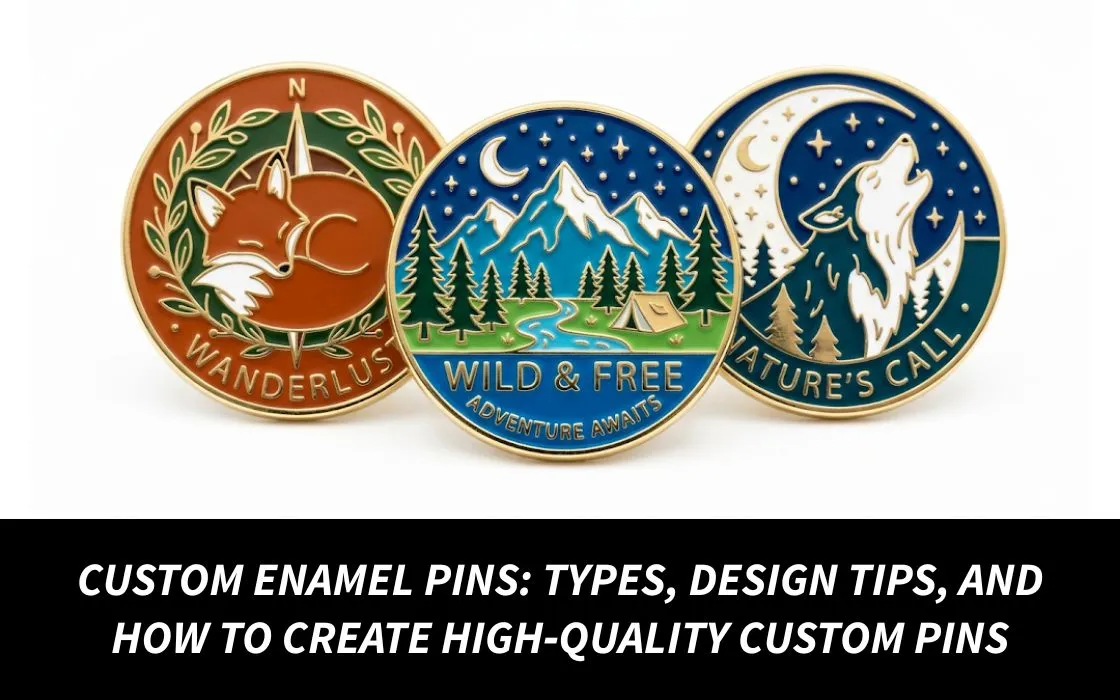
A custom enamel pin is a crucial element of brand representation, creative inspiration to fans and collectors, and growing in importance as a collectible item in 2026 and onwards.
Custom merchandise has become a vast industry. Today, enamel pins can be found in almost every business setting, from trade logos to sports events to everyday life.
Pins offer more than just lovely designs; they provide the emotional link that makes pins more than just accessories.
This guide will cover the fundamentals of creating unique and eye-catching enamel pins, how to design and produce, and how to order enamel pins that can help brands stay ahead of the trend.
What Are Enamel Pins and How Do They Work?
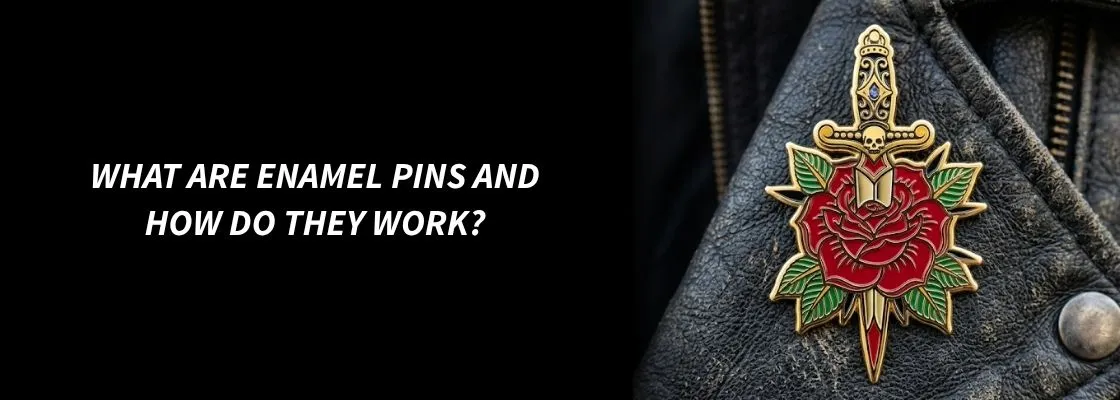
Enamel pins are made from metal and have a startling color finish and design offering long-lasting appeal. Each enamel pin has a metal base, color fill, plated surface for aesthetics, and a safety hook to secure the pin to your clothing or accessories.
The distinctive design and durability of enamel pins make them excellent choices for a promotional item. The three types of standard enamel pin backs are butterfly clutch, rubber clutch, and locking pin backs.
Each of these has a safety hook that offers a different level of security and holds the pin in place while being worn.
With the increasing interest in collecting collectible items, enamel pins continue to provide a high-impact and low-cost way to create an emotional effect on consumers.
Main Types of Custom Enamel Pins
Pin Type | Description |
Soft Enamel Pins | Raised metal outlines with recessed enamel create a textured, tactile finish. |
Hard Enamel Pins | Smooth, polished surfaces for a premium look and feel. |
Die-struck Pins | No enamel fill—metal-only designs exude elegance. |
Printed Pins | High-detail digital printing captures complex graphics perfectly. |
3D Molded Enable Pins | Sculpted designs add depth and intricate details. |
Glow-in-the-dark/Speciality Materials | UV reactive or luminous effects are trending in 2026, appealing to collectors. |
Enamel Pin Design Tips – How to Create Pins That Stand Out?
- Keep designs simple and clear: Small pins should be of unique and easily recognized shapes.
- Balance colors with contrast: High-contrast colors provide more visibility and aesthetic appeal.
- Use symbolism and narrative: Use any elements which reflect your branding and/or values, as they create emotional resonance.
- Provide text: Text should be readable in physical form. (should be printed in a very small size)
- Examine shape and size: Standard (1”-1.5”), novelty, and custom shapes can distinguish your pin.
- Make use of mockups to evaluate: Using digital mockups will assist in finding any design flaws before actual production.
How Custom Enamel Pins Are Made?
- Digital Design & Artwork Preparation: Vector files with accurate color codes and clean layouts.
- Metal Die Creation: Custom mold or die for stamping the pin shape.
- Metal Stamping: Base metal is shaped according to design.
- Enamel Filling: Soft or hard enamel is carefully applied. Advanced producers control enamel density to prevent color bleed.
- Plating & Polishing: Gold, silver, or vintage finishes improve durability and appearance.
- Quality Control: Look at color feel, plating wear resistance, and secure pin backs.
Size and Backing Guide
Typical Sizes:
- 0.75″ – Simple pins
- 1″ – Most popular and flexible
- 1.25–1.5″ – Statement pins
Backing Types:
- Butterfly clutch
- Rubber clutch
- Locking clutch
- Magnetic backing – increasingly searched in 2026
Quality Checklist for Custom Enamel Pins
Before ordering, check:
- Metal thickness: Ensures durability
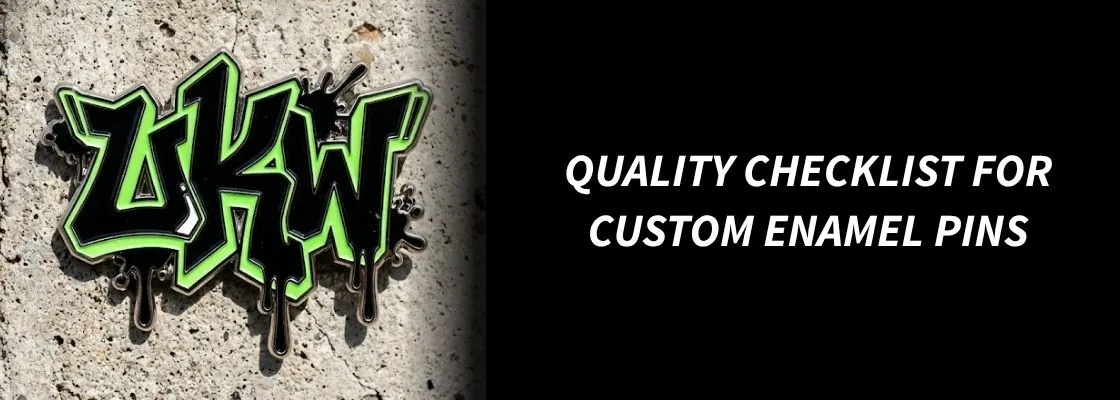
- Enamel finish: Smooth, no bubbles or color bleed
- Plating finish: Uniform, polished, and wear-tested
- Attachment strength: Safe backing to prevent loss
- Color accuracy: Matches your brand palette accurately
- Proof or mockup preview: Confirm design before production
Pricing and How to Order Custom Enamel Pins?
Pricing Factors: Size, material (soft vs. hard enamel), plating, quantity, and custom shapes.
Estimated Price Ranges (per 100 pcs):
- 1″ soft enamel: $2–$3 each
- Hard enamel: $3–$5 each
- Die-struck or specialty pins: $5–$8 each
Ordering Steps: Organize vector files → Request quotes → Review mockups → Approve production → Receive pins.
Use Cases – How Brands and Communities Use Enamel Pins?
Enamel pins are versatile:
- Brand Merchandise: Logo or slogan pins
- Event Souvenirs: Concerts, conferences, and company events
- Team Recognition: Awards or morale boosters
- School Clubs & Organizations: Custom pins for members
- Collectors & Fandom Merch: Limited edition pins for fan communities
- Promotional Giveaways: Appealing marketing tools
To Wrap Up
Custom enamel pins in 2026 combine branding, collectability, and quality expertise. By following design, production, and quality tips, your pins can stand out in a crowded merchandise market. Whether for fan communities, business identity, or events, finest pins never let you forget them!
Ready to design high-quality custom enamel pins? Contact a trusted pin manufacturer today to bring your ideas to life with expert mockups, secure plating, and collectible appeal.
FAQs
- What are enamel pins made of?
Metal base with enamel fill and plated finish.
- What size should I choose?
1″ is standard; smaller for subtle, larger for statement pins.
- How long does production take?
Typically, 10–20 business days after design approval.
- Are enamel pins good for branding?
Yes, they boost overall product view and establish emotional connection.