 Skip to content
Mistakes to Avoid When Designing Emergency Service Patches
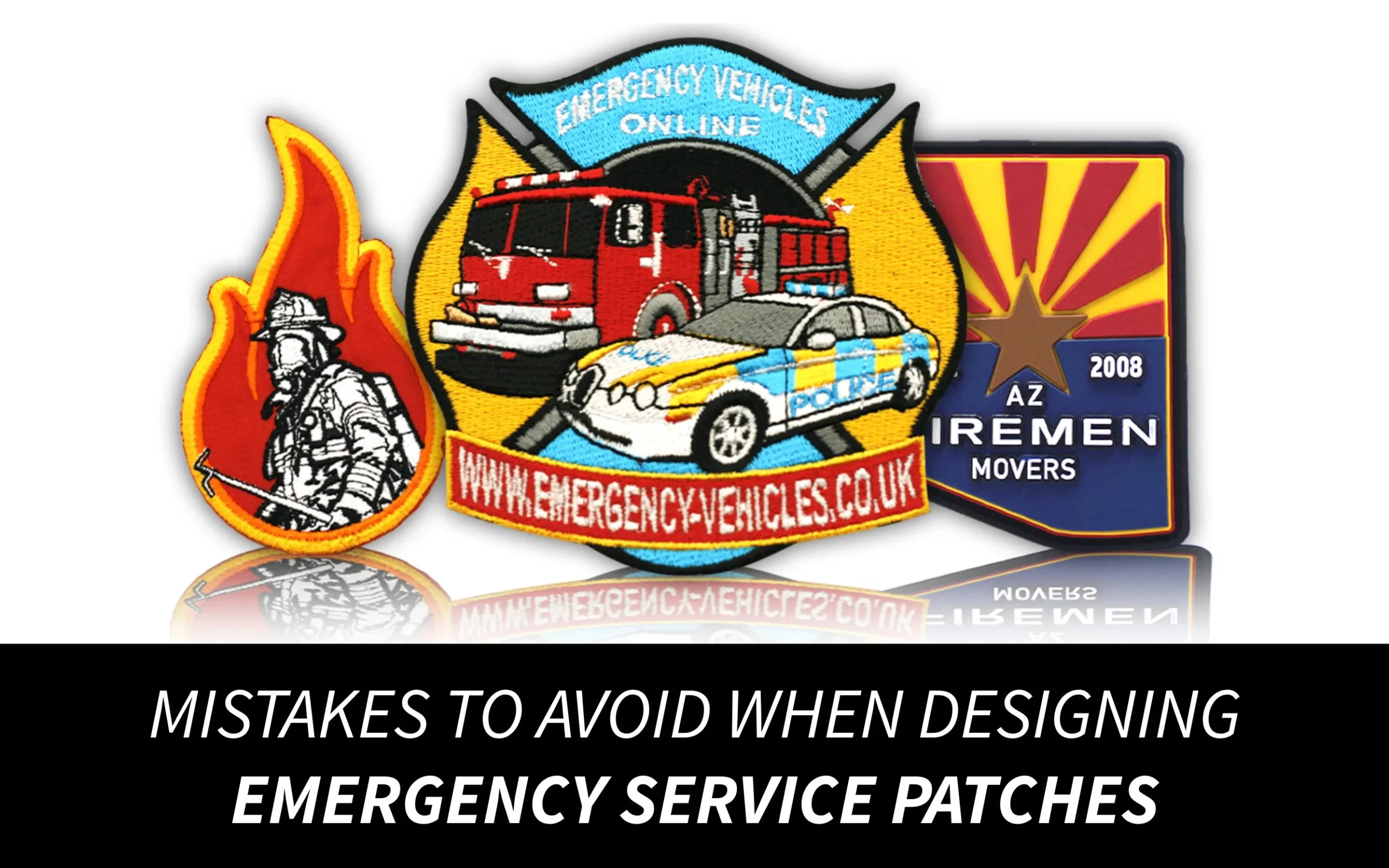
Designing patches for emergency teams isn’t like designing merch for a brand or a band. The stakes are higher. These patches carry identity, authority, and sometimes even safety. A small design mistake can cause confusion, or worse, slow things down in critical moments.
That’s why emergency services patches need more thought than people usually give them. Good intentions aren’t enough. Details matter. A lot.
Below are the most common mistakes people make when designing patches for fire, EMS, rescue, and other emergency units, and how to avoid them.

Ignoring Visibility in Real Conditions
One of the biggest mistakes? Designing patches that look great on a screen but disappear in real life.
Emergency workers deal with smoke, rain, darkness, dust, and fast movement. If your patch blends into the uniform or uses low-contrast colors, it won’t be readable when it actually matters.
Thin lettering, dark-on-dark colors, or overly artistic fonts cause problems. They slow identification. That’s not okay in emergency situations.
Emergency services patches should be readable from a distance. Bold text. Clear shapes. Strong contrast. Always test how the design looks in low light, not just daylight.
Overloading the Design
More text doesn’t mean more information. It usually means more clutter.
A patch packed with slogans, long department names, symbols, and fine lines becomes hard to read fast. Emergency patches aren’t meant to be studied. They’re meant to be recognized instantly.
A common mistake is trying to fit everything onto one patch. Unit name, motto, city seal, department logo, year founded. All of it. That rarely works.
Keep it simple. One clear identifier. One main symbol. Everything else is extra.
Choosing the Wrong Patch Type
Not all patch types work well for emergency use. This gets overlooked a lot.
For example:
- Cheap printed patches fade fast
- Low-quality embroidery frays
- Thin materials curl or peel
If patches don’t hold up, they look unprofessional quickly. Worse, they need replacing often.
Emergency services patches usually perform best when made as:
- Embroidered patches for durability
- PVC or silicone for weather resistance
- Woven patches for clean, readable text
At Quality Patches, we help teams choose materials that actually survive daily wear, not just look good on delivery day.
Forgetting About the Attachment Method
This one causes more issues than people expect.
Sew-on patches are strong, but permanent. Velcro patches are flexible, but need solid backing. Iron-on? Not always ideal for heavy-duty uniforms.
Some teams pick attachment methods without thinking about uniform changes, washing routines, or role switching.
Emergency units often need removable patches. Rank changes. Role changes. Uniform replacements.
Choosing the wrong backing leads to frustration later. Think long-term, not just initial convenience.
Using Fonts That Are Too Decorative
Fancy fonts look nice on paper. On a uniform? Not so much.
Script fonts, thin lettering, or overly stylized typefaces reduce readability. Especially at a distance. Or in motion.
Emergency identification needs clarity. Fast reading. No guessing.
Stick to bold, clean fonts. Ones that stay readable even when the patch gets dirty or worn. This matters more than aesthetics.
Ignoring Size Proportions
Too big looks bulky. Too small gets lost.
Another common issue with emergency services patches is poor sizing. A patch that’s too large can restrict movement or feel uncomfortable. One that’s too small doesn’t serve its purpose.
Design size should match:
- Uniform placement
- Viewing distance
- Role of the patch
Chest patches, shoulder patches, and back patches all serve different functions. Treat them that way.
Not Testing Durability Early
Some teams rush orders without testing samples. That’s risky.
Patches go through heat, sweat, washing, friction, and constant movement. If the thread bleeds, the backing cracks, or the edges curl, the patch fails its job.
Always test a sample. Wash it. Wear it. Stress it a little.
Quality Patches provides samples for a reason. Use them. It saves money and headaches later.
Poor Color Choices
Colors carry meaning in emergency services. Red, blue, yellow, black. Each has associations.
Using trendy colors or muted shades can weaken recognition. Some colors also fade faster than others, especially in sunlight.
High-visibility colors exist for a reason. Use them where needed. Subtle branding comes second to safety.
Forgetting Compliance and Standards
Some regions and departments have guidelines for uniform identification. Ignoring these can cause issues down the line.
Patch shape, placement, and even color combinations might need approval. Designing without checking standards first can mean redesigns later.
That wastes time. And money.
When designing emergency services patches, always confirm requirements before production starts.
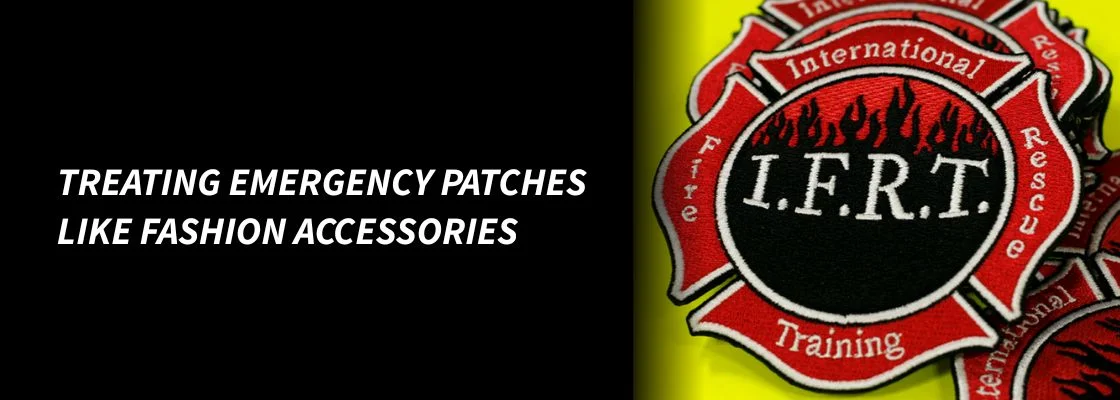
Treating Emergency Patches Like Fashion Accessories
This happens more than people admit.
Emergency patches are not fashion statements. They’re functional identifiers. Style matters, yes. But function comes first. Always.
When design choices interfere with clarity, durability, or recognition, they fail their purpose.
The best emergency patches look professional, not trendy.
FAQs
What materials work best for emergency services patches?
Durability comes first. Embroidered, PVC, and silicone patches usually perform best. They handle heat, moisture, and heavy use without falling apart too fast.
Should emergency service patches be reflective?
In many cases, yes. Reflective elements help with visibility in low light or night operations. It’s not always required, but it’s definitely worth considering for safety.
Are Velcro patches better than sew-on patches for emergency uniforms?
Velcro works great when patches need to be removed or changed. Sew-on patches last longer, though. Many teams use both, depending on placement and role.
How long do emergency services patches usually last?
Good-quality patches can last years. Poor ones don’t. Washing, friction, and daily wear make a big difference, which is why material choice matters a lot.
Can emergency services patches be customized by role or rank?
Yes, and they often should be. Rank, unit, or role-specific patches make identification quicker and reduce confusion during operations.
Why should departments work with a professional patch manufacturer?
Because mistakes cost time and money, a professional like Quality Patches understands durability, sizing, and real-world use, not just design on a screen.
Wrap up!
Designing patches for emergency teams isn’t about being flashy. It’s about being clear, durable, and reliable.
Avoid clutter. Choose strong materials. Think about real-world use, not just mockups. And work with people who understand what emergency gear actually goes through.
At Quality Patches, we’ve worked with teams who need their patches to last, stay readable, and hold up under pressure. No shortcuts. No weak materials. Just solid work that does its job.
If your patch needs to perform, not just look good, that difference matters.