 Skip to content
Chenille Letterman Patches vs Embroidery: Which One Works Best?
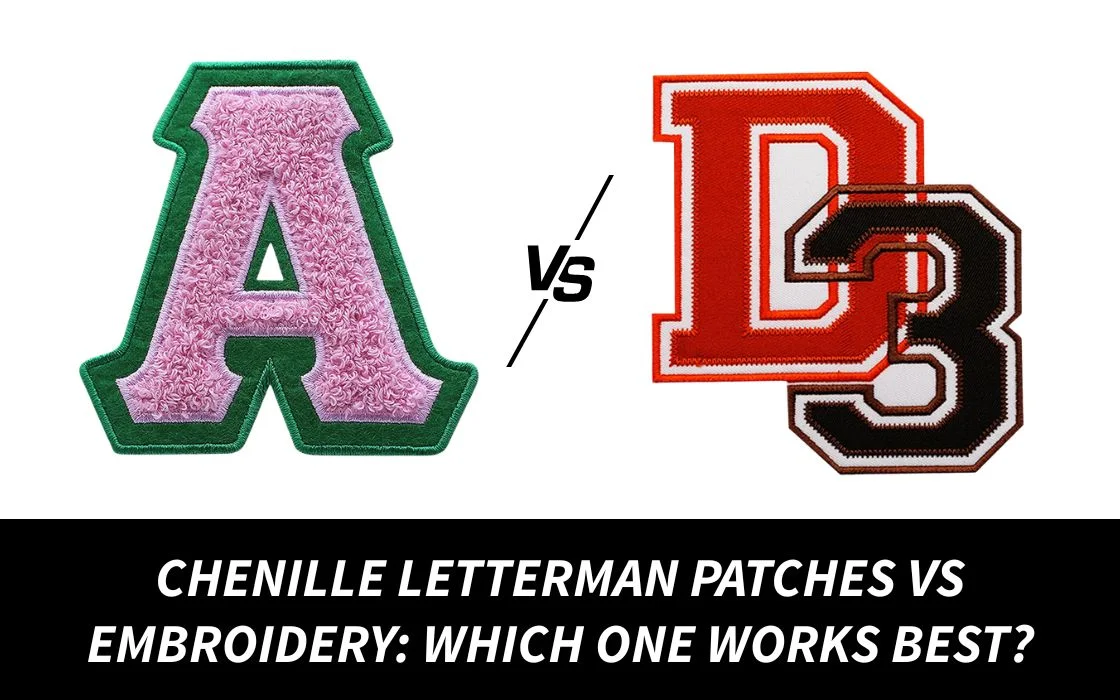
Letterman patches carry weight. It’s not because of fabric or thread. It’s because of what they stand for. Wins. Long seasons. Late practices. Team pride that sticks around long after the jacket gets old.
When people start designing a varsity jacket or school piece, the same question always shows up. Chenille or embroidery? Both look good. Both last. But they don’t feel the same, and that matters more than most people think.
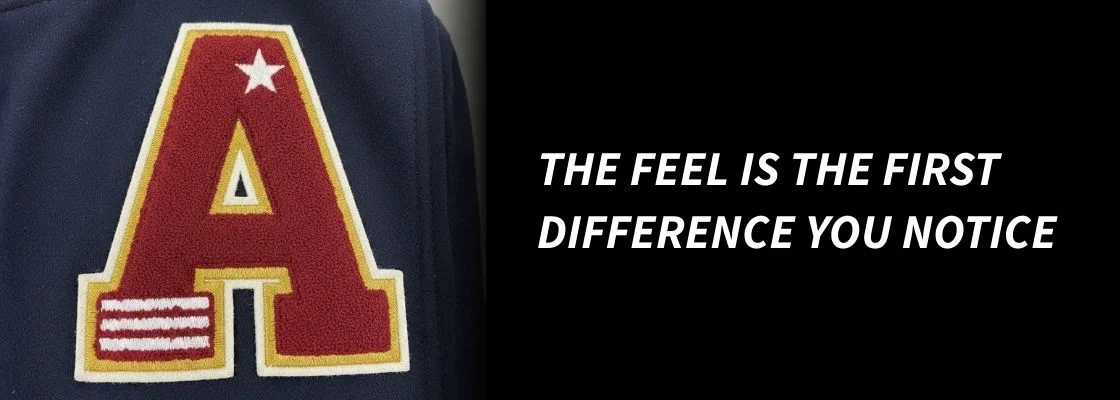
The Feel Is the First Difference You Notice
Chenille letterman patches feel alive. Thick yarn. Raised surface. You run your hand over it and instantly think of old-school varsity jackets hanging in school hallways. That fuzzy texture is the whole point. It’s bold without trying too hard.
Embroidery goes the opposite way. Cleaner. Tighter. Everything sits flatter. The lines stay sharp, even years later. It doesn’t shout, but it holds its shape no matter how much the jacket gets worn.
That difference alone already tells you which direction you’re leaning.
Where Chenille letterman patches Win (And Where It Doesn’t)
Chenille letterman patches work best when the design is simple and confident. Big letters. Numbers. Mascots with strong shapes. It loves space. It hates tiny details.
Try squeezing fine text into chenille and things get messy fast. The yarn doesn’t forgive poor sizing. That’s why experienced manufacturers always push schools to keep chenille designs bold and readable.
This is where working with a company like Quality Patches actually saves headaches. They’ll stop you before a design turns into a fuzzy blur.
Why Embroidery Still Has a Place
Embroidery is more controlled. You can do tighter logos. Cleaner edges. Small lettering that still looks intentional. That’s why embroidery often works better for sponsor logos, names, or secondary elements.
It’s also lighter. Easier to wear daily. Easier to maintain. Jackets that see a lot of use usually age better with embroidery than full chenille layouts.
Some schools don’t choose one or the other. They mix them. Chenille for the main letter. Embroidery for the details. When done right, it looks solid, not overdone.
Cost Isn’t Just About Price
Yes, Chenille letterman patches usually cost more. More material. More labor. That part is obvious.
What people forget is replacement cost. Poorly made chenille letterman patches won’t last. Same with cheap embroidery. Saving money upfront can cost more later when patches need replacing.
That’s another reason brands stick with manufacturers who actually know the difference, not just push whatever is cheaper that week.
So Which One Works Best?
There’s no clean winner here. Only the right match.
If you want tradition, texture, and that classic varsity look, Chenille letterman patches do the job better than anything else. If you want precision, durability, and flexibility in design, embroidery makes more sense.
The best results usually come from choosing with intention, not trend.
Durability: What Holds Up Over Time
Both chenille and embroidery can last for years. Or fall apart in one season. It really depends on how they’re made.
Chenille letterman patches are thicker, so they feel tougher at first. That fuzzy yarn hides wear well, but only if the stitching underneath is done right. Cheap Chenille letterman patches starts shedding. The edges curl. The patch still hangs on, but it doesn’t look proud anymore.
Embroidery ages differently. The threads stay tight. Colors fade slower. The patch keeps its shape even after constant use. That’s why schools that issue jackets for everyday wear often lean toward embroidery or a mixed approach.
This is where production quality matters more than patch type. At Quality Patches, reinforcement stitching and backing choice are part of the process, not an afterthought. That’s the difference people notice two years later.
Design Freedom (Or Lack of It)
Chenille likes confidence. Big letters. Strong outlines. One or two colors that stand out from across the field. It does not like clutter. The more you ask it to do, the worse it behaves.
Embroidery is more flexible. You can layer colors. Add gradients. Sneak in small text without ruining the look. That makes it easier for modern schools or clubs that want something custom, not just traditional.
Some designers try to force complex artwork into chenille. It never ends well. Knowing the limits saves time and budget. Experienced patch makers will tell you that upfront instead of letting a bad idea go to production.
Comfort Matters More Than People Admit
This part gets ignored way too often.
Chenille letterman patches are heavier. You feel them on the jacket. Some people love that weight. Others don’t. On large placements, that extra bulk can pull on the fabric over time.
Embroidery stays lighter and flatter. Easier for everyday wear. Easier for movement. That’s why embroidery-heavy jackets tend to get worn more often, while full chenille jackets become “game night” pieces.
Neither is wrong. Just different expectations.
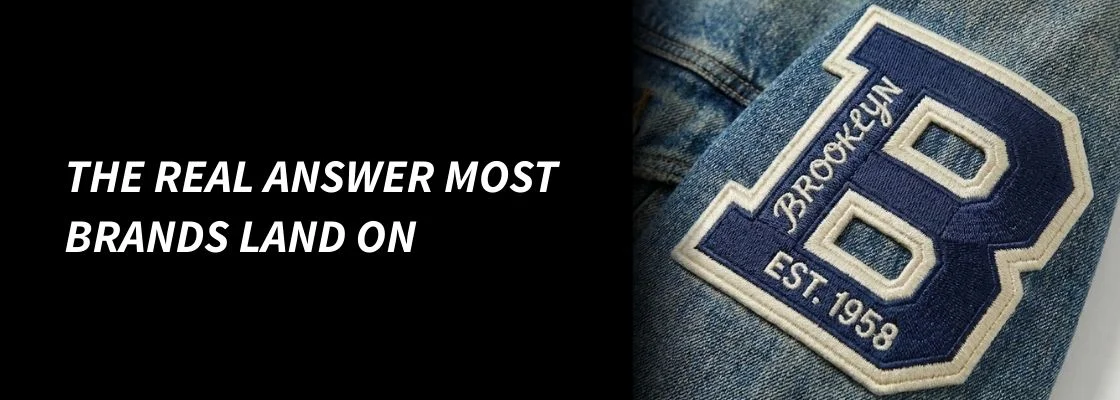
The Real Answer Most Brands Land On
Most teams don’t end up choosing one. They blend.
Chenille for the main letter or number. Embroidery for names, logos, years, or achievements. It keeps the classic feel while avoiding the downsides of going all-in on either side.
This hybrid approach only works when the patches are made to match in color, scale, and finish. When they’re not, it looks thrown together. That’s why consistency in manufacturing matters more than the patch type itself.
Final Thought Before You Decide
If your goal is nostalgia and tradition, chenille still owns that space. Nothing replaces it.
If you care more about versatility, long-term wear, and design control, embroidery wins.
And if you want the jacket to actually feel complete, a smart mix usually beats both.
That’s what Quality Patches helps teams figure out before anything gets stitched. No guessing. No redo orders. Just patches that look right the first time.