 Skip to content
A Patch That Lasts: How to Clean and Care for Your Custom Patches

Custom patches are not only sewn patterns, but also statements of identity, creativity, teamwork, and pride. You can wear them on your jackets, hats, uniforms, backpacks, or put them in collections, but one thing remains always true: if you properly take care of your custom patches, they will still be in good enough condition after years without fading, fraying, or losing their shape.
Embroidered, PVC, chenille, and other patches are designed to be durable, although under the right conditions of cleaning, storage, and care, they can last a long time and appear brand new.
This guide will walk you through various kinds of custom patches, how they can be taken care of, how they can be washed, and how they can be handled, depending on what kind of backing they have (iron-on, Velcro, or sew-on).
Let’s get into the details
Why Patch Care Matters More Than You Think
You may think that patches are tough and yes, they are tough. However, with time, dust, sweat, grime, UV rays and washing machines may have a toll on it.
Good care helps you:
- Maintain color brightness
- Prevent thread damage
- Extend patch and garment lifespan
- Preserve adhesive strength
- Keep collectible patches in pristine condition
And since your patches wear longer, so do the stories of them.
Need patches that withstand daily wear? Check out premium options at Quality Patches, their durability makes long-term care easy.
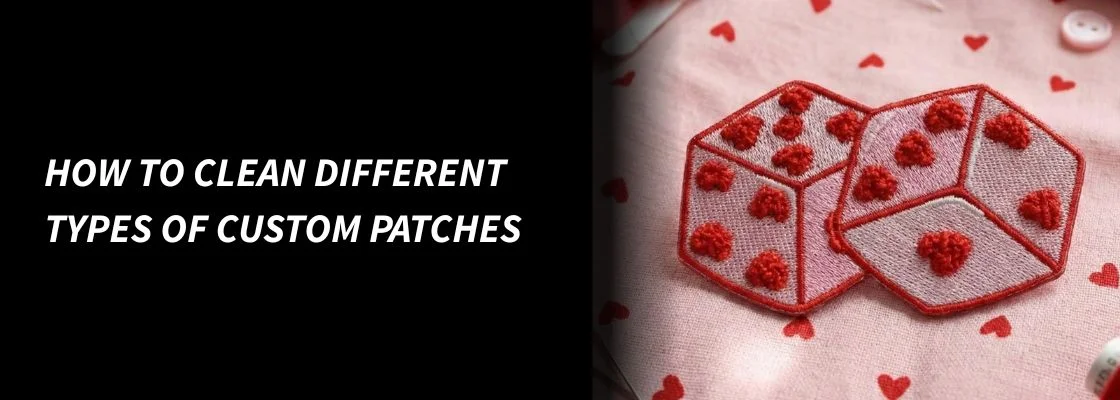
How to Clean Different Types of Custom Patches
Not all patches are created the same. The cleaning method depends on the patch material. Here’s how to safely maintain the most popular types.
1. Embroidered Patches
Embroidered patches are the classic choice, thread-based, textured, and vibrant.
How to clean:
- Spot clean with a damp cloth.
- Use mild soap and lukewarm water
- Gently scrub with a soft brush only if needed, never use hard bristles that may snag the threads.
- Air dry only.
Avoid dryers or direct sunlight, which can weaken the threads and cause fading.
Pro Tip: If the patch is attached to a garment, clean the patch separately to avoid damage from machine agitation.
2. Woven Patches
Woven patches have tighter detail and a smoother finish, making them slightly more delicate.
How to clean:
- Use a microfiber cloth with mild soap.
- Avoid scrubbing; wipe in one direction.
- Pat dry with a towel and air dry completely.
Because woven patches are thinner, they are less forgiving under heat, so keep them away from dryers or irons.
3. PVC (Rubber) Patches
PVC patches are extremely durable, water resistant and are best suited to the outdoor gear, tactical wear, and uniforms.
How to clean:
- Rinse with cold water.
- Use a drop of dish soap and wipe using a soft cloth.
- Rinse again and air dry.
They are moisture resistant but distort in high heat, thus do not stay in the dryer or under the sun too long.
4. Chenille Patches
The fabric is fuzzy chenille with a smooth and velvety surface and is soft to touch, yet appears nice.
How to clean:
- Clean with lint roller to get dust and debris.
- Wipe with cold water little warm soap.
- Blot, do not scrub.
- Allow to dry on a large surface to keep shape.
It does not like a lot of moisture, and chenille will garner a lot of water and lose its fluffiness.
How to Clean Patches Based on Backing Type
Backing matters! The wrong cleaning method can weaken adhesive or damage Velcro.
1. Iron-On Patches
Iron-on patches use a heat-activated adhesive, which can weaken with aggressive washing.
Do:
- Hand wash only
- Use cold water
- Spot clean when possible
Avoid:
- Hot water
- Dryers
- Steamers
- Dry cleaning
If the adhesive loosens over time, simply press the patch again with an iron using a pressing cloth.
2. Velcro (Hook & Loop) Patches
Common in tactical gear, uniforms, backpacks, and outdoor apparel.
To clean:
- Before washing the garment, take off the patch on the Velcro base.
- Wipe a tender brush on the hook side.
- Wash the patch according to the type of material it is made of (PVC, embroidered, etc.).
Note: Velcro patches should not be washed, or the lint will be caught in the hook side.
3. Sew-On Patches
They are the hardest and require the least maintenance. There is no adhesive or Velcro, which means that the only way to clean it is through the patch material.
Patches that are sewn on can be washed in the gentle machine, but to ensure the patch lasts longer, hand washing is better.
How to Store Custom Patches Properly
Caring for patches doesn’t end with cleaning. Proper storage prevents fading, warping, and fraying.
Here’s how to keep your collection pristine:
- Store Them Flat
Do not bend or fold patches; creases may forever ruin the embroidery or backing.
- Keep them out of the direct sunlight.
Colors are lost to UV light, especially on embroidered and chenille patches.
- Apply Zip Bags or Acid-Free Containers.
This guards against moisture and dust.
- Keep PVC Patches Separate
Sometimes, PVC can make marks on others that are not as hard, and thus they should not be placed directly on fabric patches.
- For Collectors: Use Patch Display Books
Velcro display books can be used to store, preserve, and show off your patches wearing them down
Want long-lasting, professional-grade patches for your collection or apparel? Explore options at Quality Patches.
Do’s and Don’ts of Patch Care
Here’s a quick reference for long-term patch maintenance.
Do
- Hand wash whenever possible
- Spot clean before deep cleaning
- Air dry patches flat
- Use mild soap only
- Re-iron iron-on patches if adhesive loosens
- Keep patches away from harsh chemicals
Don’t
- Machine dry
- Use bleach or fabric softeners
- Apply high heat to PVC
- Scrub chenille or woven patches
- Wash Velcro patches attached
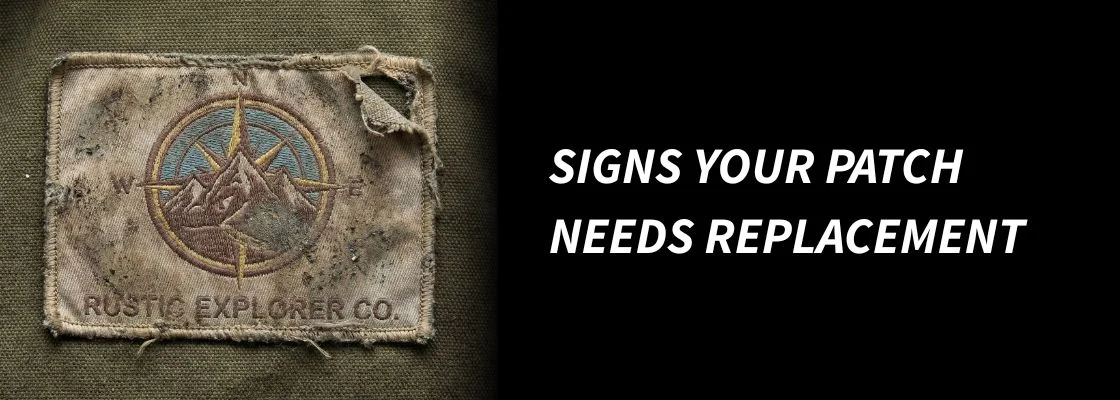
Signs Your Patch Needs Replacement
Even with the best care, patches eventually wear down. Replace when:
- Colors fade significantly
- Threads unravel
- Fabric edges fray
- PVC begins to warp
- Iron-on adhesive no longer bonds
- Velcro backing loses grip
Custom patches of high quality wear out much longer, although it is important to choose durable materials at the very beginning.
For long-lasting, vibrant patches built to handle real-life wear, consider ordering from Quality Patches. Their craftsmanship ensures your patches stay beautiful and durable with minimal care.
Keep Your Custom Patches Looking Their Best
Patches which are custom made are not just accessories; they hold memories and symbolize milestones and reflect personal or team identity. Through proper cleaning and maintenance methods, your patches can remain bright, fresh and free of damages over the years.
Remember:
- Clean patches according to their material
- Handle backings with care
- Store them properly
- Avoid unnecessary heat
- Keep garments gently washed
By making such little steps, you can keep your favorite patches, old or new, as significant as the day you received them.
And if you ever need high-quality custom patches that are durable, vibrant, and easy to care for, explore the options at Quality Patches.
Your patches tell your story; make sure they last.