 Skip to content
Best Fabrics for Patches for Clothes and How to Attach Them
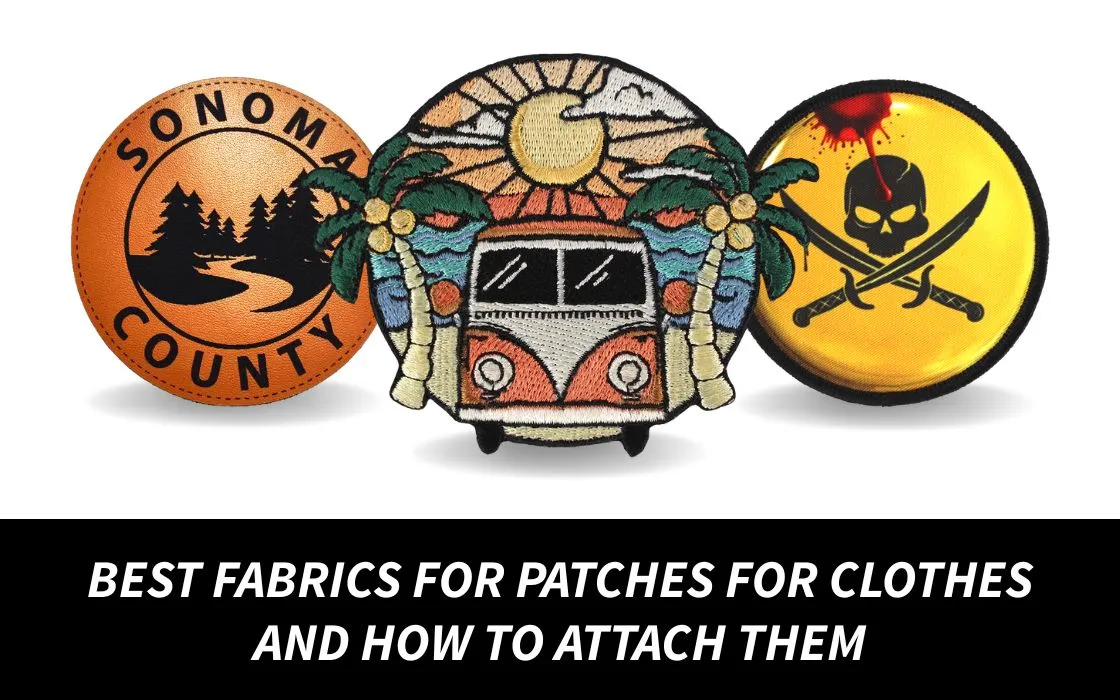
Some clothes stick around for years. A denim jacket from college. A hoodie you wear every winter. A work shirt that goes everywhere with you. After a while those pieces start to feel… personal.
That’s why people love patches for clothes. One small patch can fix a tear or show club pride. It just adds a bit of personality to something plain. You see them on biker jackets, sports uniforms, backpacks, even streetwear brands now.
But here’s something people rarely think about. The fabric under the patch matters a lot. Some materials hold patches perfectly. Others need a different approach or the patch starts lifting after a few washes.
The only thing that will keep everything in place is the right type of fabric and the right method to attach it.
Let’s go through the fabrics that work best.

Denim: The Classic Choice
Denim and patches for clothes go together naturally. Always have.
Think about band jackets, biker vests, vintage jeans. Patches stick great to denim because the fabric is thick and tough. It handles both sewing and heat pressing without a problem.
Iron-on patches usually bond very well here. A quick press with an iron and they stay put. Many people still add a few stitches around the edge just to be safe.
Honestly, denim is the easiest fabric to work with. Hard to mess it up.
If you’re designing jackets or custom merch with patches for clothes, denim gives a strong base that holds patches for years.
Cotton: Simple and Reliable
Cotton sits right behind denim as one of the best fabrics for patches for clothes.
You see cotton everywhere… t-shirts, hoodies, canvas bags, work shirts. The material absorbs heat nicely, so iron-on patches stick without much effort.
Quick tip though. Don’t crank the iron to maximum heat. Medium works better. Place a thin cloth over the patch and press for about 15–20 seconds.
That’s usually enough.
Cotton also handles stitching easily, which makes it perfect for sew-on patches for clothes used on uniforms or casual clothing.
Polyester: Needs a Bit More Care
Polyester shows up a lot in sports jerseys, gym wear, and company uniforms. It’s durable but reacts differently to heat.
Too much heat can damage polyester. Sometimes it leaves shiny spots on the fabric. Not great.
That doesn’t mean patches for clothes won’t work on polyester. You just have to take it slow.
Lower heat settings help. Testing a small hidden spot first also helps. Some people skip heat completely and just sew the patch instead.
Sewing takes longer, sure. But the patch stays secure.
Leather Jackets
Leather jackets and patches for clothes have a long history. Motorcycle clubs made that look famous.
But leather doesn’t respond well to iron-on adhesives. Heat can dry the material or leave marks.
For leather, sewing is almost always the better option.
You’ll need a stronger needle and durable thread. Once the patch goes on though, it rarely moves. That jacket might last decades honestly.
And a good leather jacket full of patches… it tells stories without saying a word.
Nylon and Outdoor Gear
Outdoor jackets and windbreakers often use nylon. The surface feels smooth and sometimes has a waterproof coating.
Iron-on patches for clothes can struggle here because the adhesive doesn’t grip the surface well.
Sewing works better most of the time. Some outdoor brands use special adhesives made for technical fabrics. But stitching still gives the most reliable hold.
Just keep the stitches small so the fabric doesn’t weaken.
Fleece and Soft Fabrics
Fleece jackets feel amazing in winter, but they can be tricky for patches for clothes.
The soft texture makes it harder for iron-on backing to bond evenly. Heat can flatten the fleece fibers too, which leaves marks around the patch.
Not ideal.
Sewing works much better on fleece. A simple stitch around the patch edge keeps it secure while the fabric stays soft and fluffy.
Iron-On Patches: Fast and Easy
Iron-on patches for clothes are popular because they’re quick. No sewing kit needed. Just an iron and a few minutes.
Here’s the usual process:
- Heat the iron to medium
- Place the patch where you want it
- Cover it with thin cloth
- Press the iron firmly for about 20 seconds
- Let the patch cool completely
Done right, iron-on patches hold very well.
Still, many people add a few stitches later. Just extra security. Especially if the clothing goes through a lot of washing.
Sew-On Patches: The Strongest Hold
If you want the most durable option, sewing wins every time.
Sew-on patches for clothes stay in place through washing, movement, and heavy wear. That’s why uniforms, military gear, and biker jackets almost always use stitched patches.
You can sew by hand or use a machine. Both work.
Just pin the patch in place first, then stitch around the border slowly. Strong thread helps.
Once the patch is on, it’s not going anywhere.
Washing Clothes With Patches
After attaching patches for clothes, a little care keeps them looking fresh.
Simple habits help a lot:
- Turn the garment inside out before washing.
- Use warm or cold water.
- Avoid very hot dryers.
High heat weakens adhesive over time. Not always right away, but slowly.
Air drying works best if you can manage it.
Patch Quality Matters Too
Fabric and attachment methods matter, but the patch quality also plays a big role.
Cheap patches fade faster. Threads loosen. Edges fray.
Good patches for clothes use strong embroidery, durable backing, and solid stitching. They stay bright and hold shape much longer.
That’s why businesses, clubs, and clothing brands usually work with professional patch makers instead of low-quality bulk suppliers.
If you’re thinking about creating custom patches for clothes, you can explore options at
Quality Patches
Their team helps turn artwork into durable patches made for real wear. Jackets, uniforms, fashion pieces… they handle all of it.

Why Brands Love Custom Patches
Custom patches for clothes are everywhere now. Streetwear brands use them on hoodies and caps. Companies add them to uniforms. Clubs and organizations wear them proudly.
A patch becomes part of the identity.
People recognize it instantly.
If you ever plan to create patches for your brand or community, getting the design and manufacturing done properly makes a huge difference.
You can start that process at
Quality Patches
They help with design ideas, materials, and production so the final patch actually lasts.
Wrap up!
Patches can turn simple clothing into something unique. They repair worn spots, show personality, and sometimes represent an entire group or brand.
But good results depend on two things: the fabric underneath and the way the patch gets attached.
Denim and cotton work beautifully. Polyester needs lower heat. Leather and fleece prefer stitching.
Match the fabric with the right method and patches for clothes will stay secure for years.
And when the patch itself is made well, it becomes part of the garment… something people wear proudly again and again.