
The History Behind Law Enforcement Patches and Their Symbolism
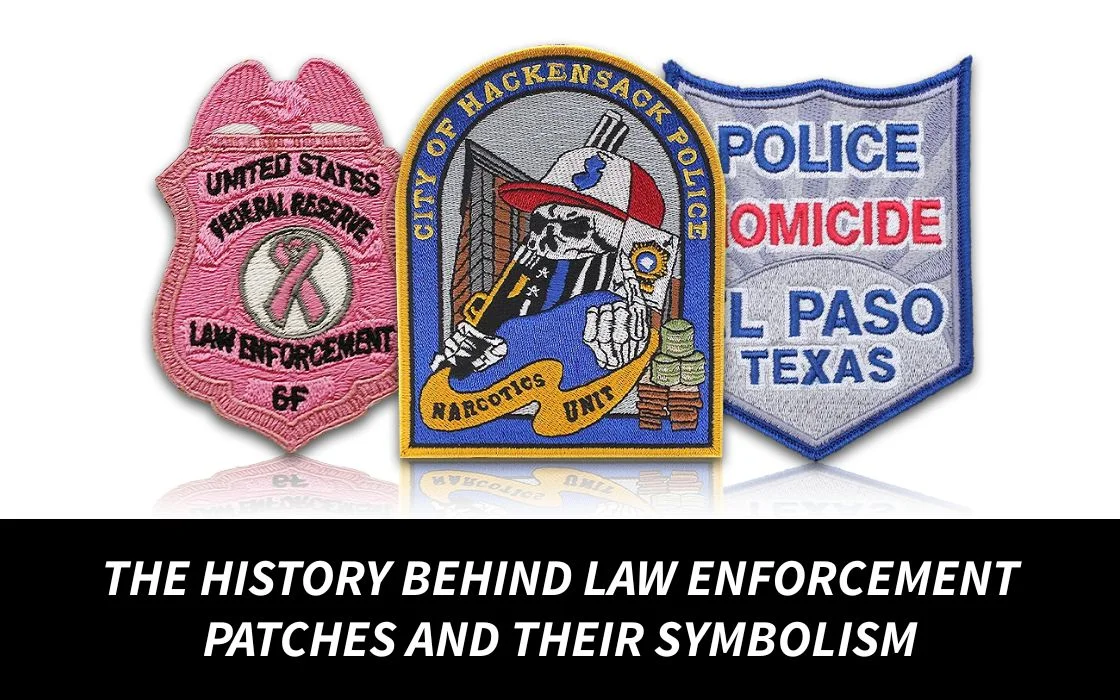
The History Behind Law Enforcement Patches and Their Symbolism
Law enforcement patches. You see them every day. On jackets, shirts, even hats. Small things, right? But they carry a lot more than just color and thread. Each patch has a story. A history. A meaning.
Some people think they’re just decoration. Just a logo on a uniform. But if you ask any officer who’s been wearing one for years, they’ll tell you differently. Patches are identity. Pride. Tradition. And for some, they’re personal.
If you’re wondering why these little pieces of fabric matter so much, keep reading. You might be surprised.
How Patches Began
Believe it or not, police patches weren’t always a thing. Early uniforms? Plain. Badges, buttons, hats. That’s it. Most departments didn’t need anything more; or so they thought.
The first patches appeared in the early 1900s. Cities wanted officers to be instantly recognizable. Departments needed something unique, visual. Something that said, “I belong here. I serve this community.”
At first, patches were simple. Maybe a star. Maybe a city name. Slowly, designs became more detailed. Eagles. State seals. Local landmarks. Even mottoes. Each symbol added meaning, showing values and identity without a single word being spoken.
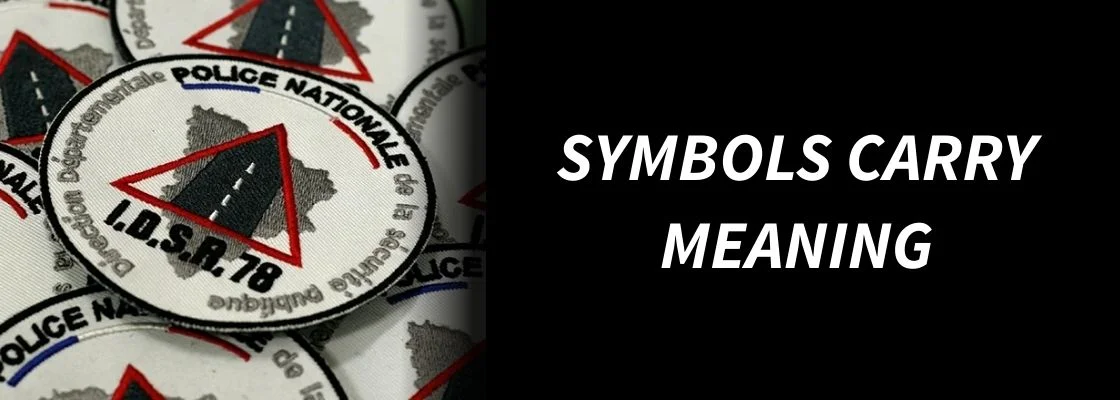
Symbols Carry Meaning
Every element on a law enforcement patch is intentional. Nothing is random.
- Stars? Authority, law, command.
- Shields? Protection, defense, safety.
- Eagles? Freedom, vigilance, courage.
- State or city seals? Local pride and heritage.
- Mottoes? Principles, mission, honor.
Put together, these symbols tell a story. You glance at a patch, and you immediately understand the department’s purpose. Its identity. Its values.
Even colors matter.
- Blue = trust, calm, authority
- Gold or yellow = honor, achievement
- Red = courage, sacrifice
- Black = strength, discipline
Departments choose them carefully. Change one color, and the meaning shifts subtly. Patches aren’t just visual. They’re a language.
Team Identity and Pride
One of the most important roles of a patch? Building pride.
When an officer wears a patch, it’s not just a uniform accessory. It’s a symbol of belonging. A reminder they’re part of a team. A mark of trust.
Some officers keep old patches when designs change. Frame them. Collect them. A patch becomes personal history. A piece of memory. It’s pride stitched into fabric.
And that’s why departments spend time designing patches carefully. Because even a small detail matters to the people wearing them.
Modern Evolution
Times change. Materials change. Technology changes.
Today, patches aren’t limited to embroidery. PVC, rubberized patches, 3D designs, laser engraving; all options exist. Why? Durability. Weather resistance. Visibility. Even small texture details can make a patch stand out more.
But even with all these options, the symbolism hasn’t changed. Patches still represent authority, unity, and pride. They just do it in ways that last longer and survive daily wear.
Community Recognition
Patches aren’t just for officers. They communicate with the public.
When a citizen sees a patch, they see professionalism. Trust. A department that cares. A patch can project authority without words.
Some departments even make special patches for public events, charity initiatives, or commemorative reasons. Limited edition designs can foster goodwill and public engagement.
The patch becomes more than internal identity; it’s a bridge between officers and the community they serve.
Customization Matters
Every department is unique. Custom patches reflect that.
A simple design tweak can hold meaning:
- Adding a star for fallen officers
- Including a ribbon for community service
- Placing the department’s founding date
Small details communicate history and honor service. Poor quality patches? They cheapen the symbolism. High-quality patches? They make pride visible.
Working with experienced manufacturers like Quality Patches ensures patches reflect the department perfectly. They help with:
- Embroidery styles
- Sizing and backing options
- Placement advice
Because a patch should do more than look good. It should tell the story correctly.
Durability Equals Long-Term Value
Here’s the thing; patches are supposed to last.
Good patches survive sun, rain, washes, and time. They keep colors sharp, shapes defined, and designs readable.
Why does this matter? Every time a patch is visible, it reinforces identity. Every repeated glance builds recognition. That’s long-term branding and pride in action.
Cheap, low-quality patches fade fast. They fail the symbolism test. Officers notice. The public notices. Every detail counts.
Patches as a Team-Building Tool
Beyond individual pride, patches foster team cohesion.
A patch isn’t just decoration. It’s a reminder of shared mission. Shared values. Shared responsibility.
When a new unit is created, a new patch can unify members quickly. It signals membership, belonging, and purpose. Even veteran officers notice the difference between a plain uniform and one with meaningful patches.
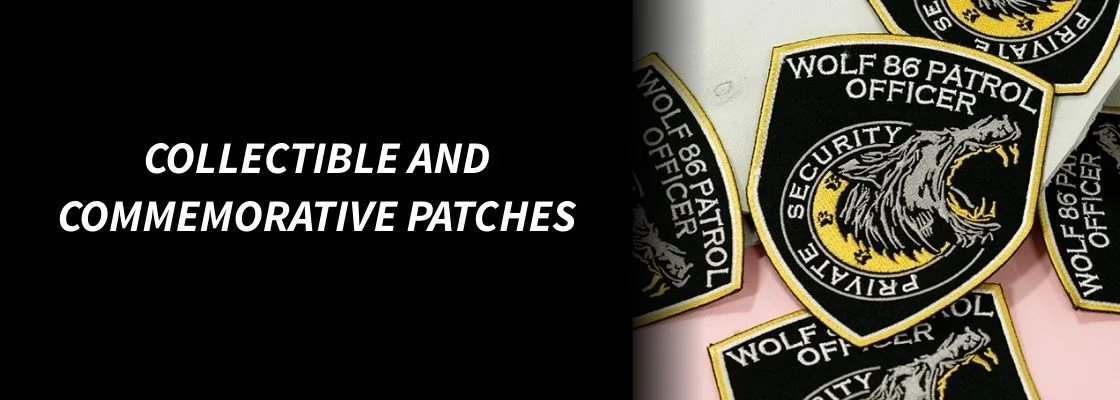
Collectible and Commemorative Patches
Some patches go beyond daily wear. They become collectibles.
- Anniversary patches
- Retired officer patches
- Special operation or event patches
These create memories. They honor history. They tell stories. And they create a sense of continuity; past, present, future.
Why Quality Patches Always Win
It’s simple. A patch represents pride, history, and identity. Cheap materials fail. Colors fade. Stitching frays. And suddenly the story is lost.
That’s why Quality Patches is trusted by departments everywhere. They:
- Make durable patches
- Keep designs true to the department’s vision
- Provide guidance on sizing, backing, and placement
- Help patches become symbols, not just logos
A quality patch doesn’t just survive. It thrives. It becomes part of the uniform, part of the officer’s story.
Wrap up!
Law enforcement patches aren’t just embroidery. They’re history. Symbolism. Team identity. Authority. Pride.
Every stitch carries meaning. Every symbol communicates values. Every color matters.
If a department wants to honor tradition, foster unity, and project professionalism; investing in high-quality custom patches isn’t optional. It’s essential.
When an officer wears that patch, they’re carrying more than a logo. They’re carrying:
- History
- Identity
- Pride
- Duty
And that, in a single patch, is priceless.